Robert C. Ransom
Table of Retrievable Contents:
A CLARIFYING CONCEPT OF ARCHIE'S RESISTIVITY RELATIONSHIPS AND PARAMETERS.
A MODEL AND DISCUSSION
Within the text, clicking on the bold terms FIGURE (*) and APPENDIX (*) will take you to the specific page of interest. Use your browser's back button to return to your previous page.
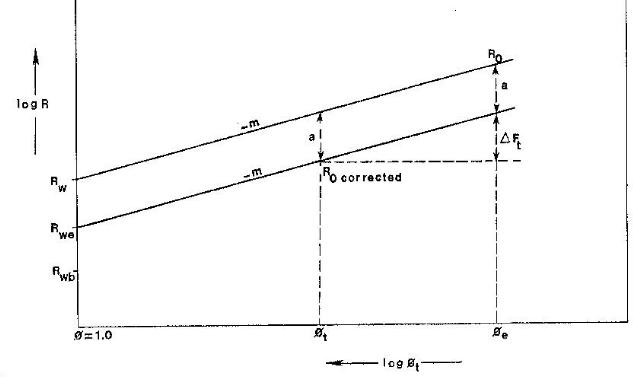
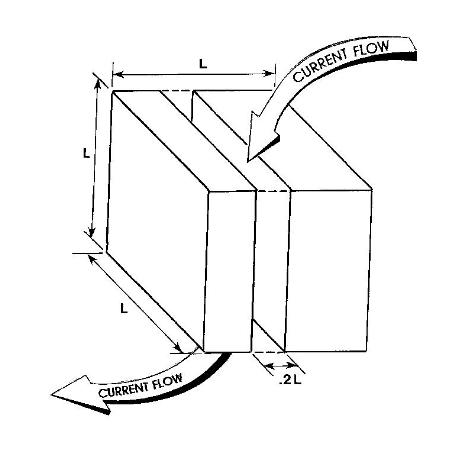
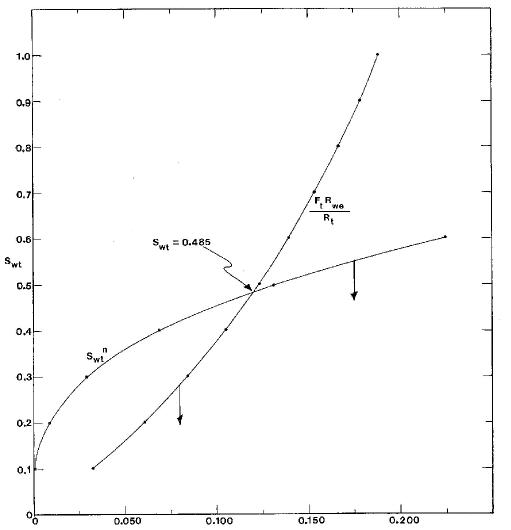
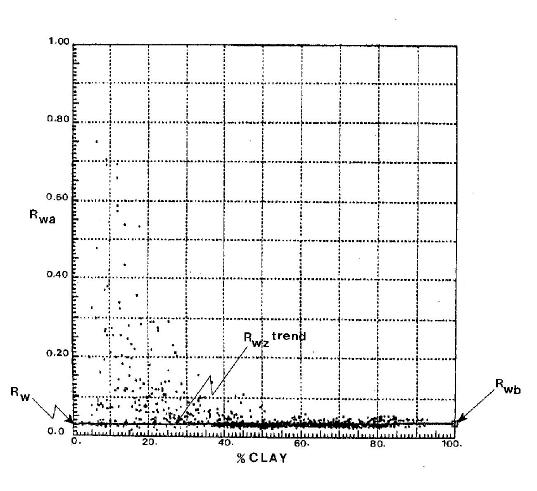
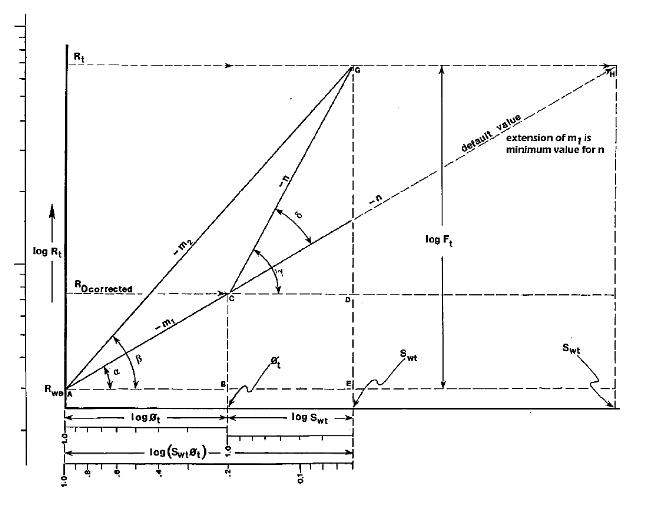
Figure 1. A graphical representation of the model. Rt varies with oil saturation and distribution. Slope CG representing exponent n varies with the electrical interference caused by the presence of oil regardless of saturation value. Swt is estimated by the downward projection of the intersection of the slope CG with resistivity level Rt . See text for full explanation. Based on Ransom (1974,1995). This model can be used with measurements responsive to oil and gas other than resistivity.
Figure 2. When Swt = 1.0. A detailed portion of the graphical model showing how Rwe results from a mixture of waters Rw and Rwb in a shaly sand. The effect of the more conductive pseudo water represented by Rwb produces the typical a multiplier of Rw . This figure and its resulting Rwe corresponds to Eq. (1a) only. Exponent m is an intrinsic property of the rock. Based on Ransom (1974).
Figure 3. An insulating cube with a 20% void filled with water. Electrical-survey current is flowing through the cube from top to bottom. This cube is a visual aid in the development of the formation factor. See text for discussion. From Ransom (1984, 1995).
Figure 4. A crossplot illustrating the iteration of Swt for the value of Swt that satisfies both sides of Equation (4b). See the text for discussion.
Figure 5. The crossplot of Rwa versus Clayiness where the identified trend is extrapolated in both directions to evaluate Rw and Rwb at 0% and 100% clayiness, respectively. See text for discussion. From Ransom (1995), courtesy of John Wiley & Sons, Inc.



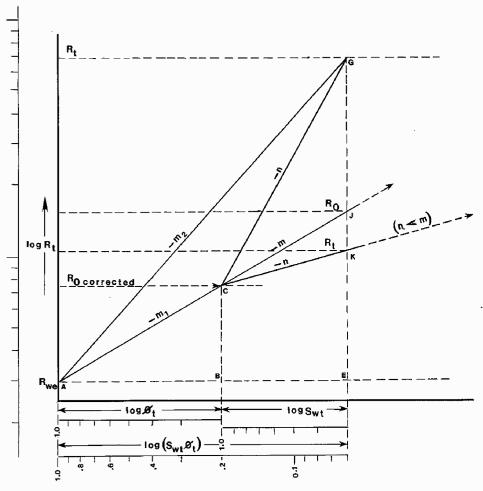
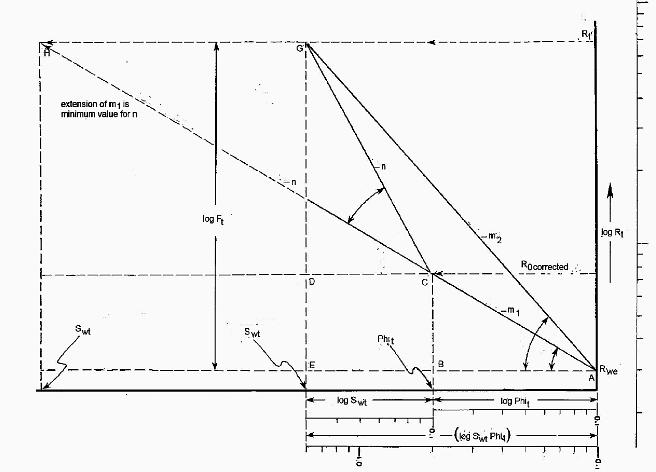
FIGURE 1 reversed format. Same as Figure 1 above, but reversed for convenience of readers familiar with left-facing format.
Figure 6. This figure, similar to Figure 1, shows that when n < m, Rt at K has a lower value than R0 at J for equivalent water volumes at all values of porosity and saturation. In nature and in the laboratory, this is an impossibility. Any condition for slope n to be less than slope m is contrary to the laws of physics and the fundamentals of resistivity analysis. See APPENDIX (D) for a detailed explanation.
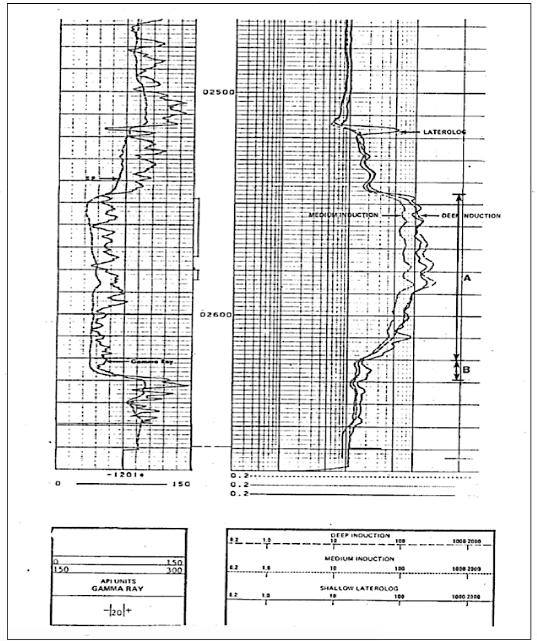
Figure 7. Well 1. The well and reservoir bed in this figure and the following Figure 8 were drilled in the same field. Zone A in this bed was tested over the intervals marked in the depth track and produced much water and little or no oil. No other information is available. Why did Zone A not produce oil? See text for discussion.
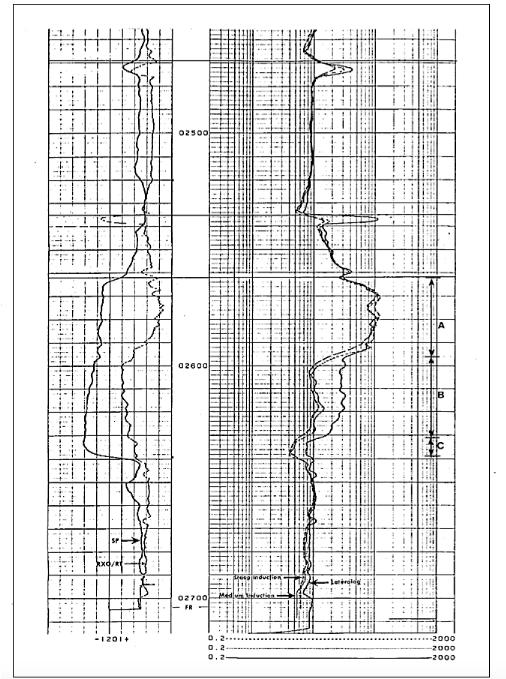
Figure 8. Well 2. The well and reservoir bed in this figure and the preceding Figure 7 were drilled in the same field. No other information is available for this well. Would Zone A produce oil? See text for discussion
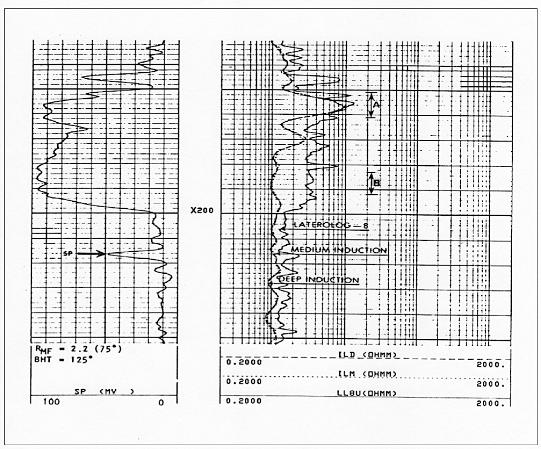
Figure 9. Well 3. An example of a resistivity well log showing the presence of both water and oil in a quality reservoir bed exhibiting considerably lower resistivity than in Wells 1 and 2. Zone A will produce water-free oil. Why? Courtesy of Schlumberger.
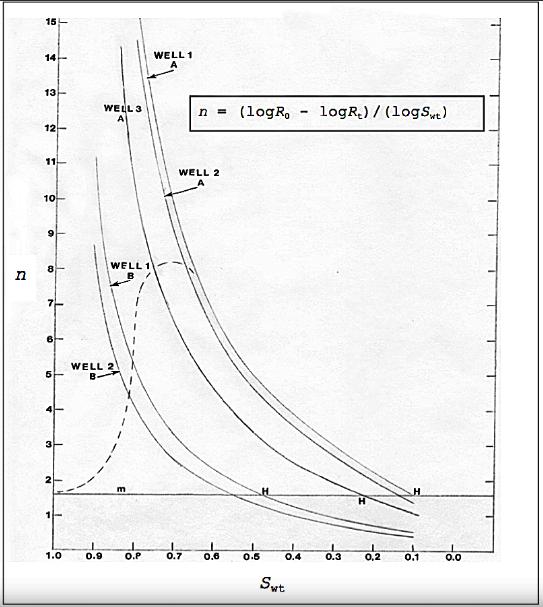
Figure 10. Effectiveness of electrical interference by oil in oil-wet and water-wet rocks. This figure is a chart of the behavior of Swt in response to the calculated values of exponent n (solid lines) from Well 1 (Figure 7), Well 2 (Figure 8), and Well 3 (Figure 9). This behavior is predicted by slope CG of triangle CDG of the model in Figure 1. See text for discussion and limitations of n.
What are Archie’s Basic Relationships
What is Meant by the Plot of Rt versus Swtϕt
Parallel Resistivity Equations Used in Resistivity Interpretation
What is the Formation Resistivity Factor
How is Exponent n Related to Exponent m
Observations and Conclusions from Figure 10 about Exponent n
Are There Limitations to Archie's Relationships Developed in this Model?